Creating a Margin - 3 dangers of recovery
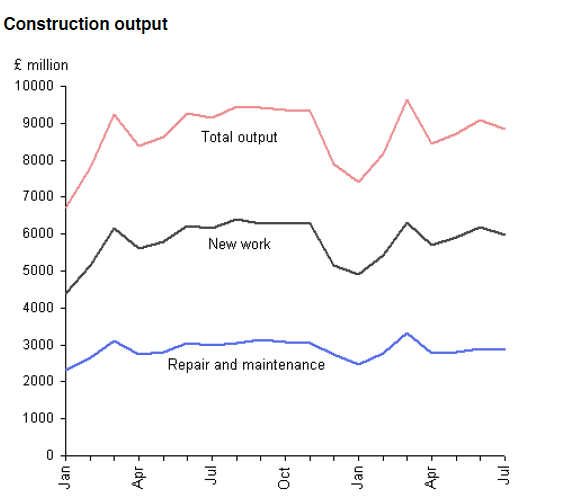
Historically the recovery period after a recession can be more dangerous for companies as the recession itself. The dangers in the recovery period come from carrying through strategies that were developed for survival in recession.The first question to ask is are we in a genuine recovery period? There has been some better financial news about and it does seem that we are entering a period of improving financial news and reports. Including 2 highly regarded reports:
From the recent Deloitte CFO survey:
Key findings
- In a sign of an improving domestic outlook UK-facing businesses, those deriving more than 70% of their revenues from the UK, have become more expansionary than at any time in the last two years
And the RICS Construction Market Survey
"The Royal Institution of Chartered Surveyors (RICS) said industry activity appeared to be "edging upwards"
What then are the dangers of trading in the recovery period.
Danger 2 - overtrading, there is a possibility in an improving market to win more work and improve turnover. However this will stretch cash and there is no reason to assume that the banks will any more helpful than they have have been.
Danger 3 - losing your best people. For almost 4 years there has been little or no improvement in staff conditions and salaries. As we see workload increasing there will be a market demand for experienced people and it will be very difficult for even long term employees to resist attractive offers from competitors. We now have a much reduced pool of people as many have moved on, left the industry or found work abroad. Finding replacements will be equally troublesome. We are already hearing confirmation from client's who are struggling to fill current vacancies
Business leaders and management boards now need to develop strategies to deal with these risks. It would be desperate scenario to survive the worst recession and then find failure in recovery.
Attending the Scottish Construction Convention on October 8th can help you find how to develop and implement these recovery strategies, find out more at www.futureofconstruction.co.uk or email brian@businessfix.co.uk